Nevada and California, May 2026
In early May of 2026, my buddy Jason and I did some exploring in
Nevada and California, roughly centered around Death Valley.
Here's some of the things we saw, in roughly chronological order.
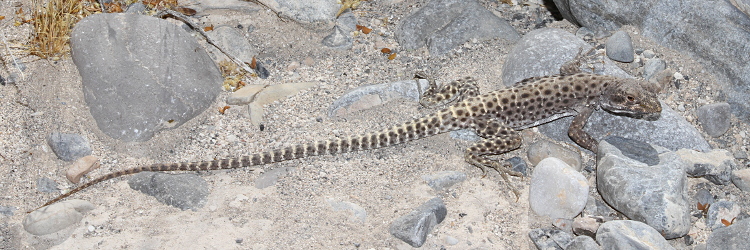
A Leopard Lizard (Gambelia wislizenii), as spotted in
a wash by Jason.
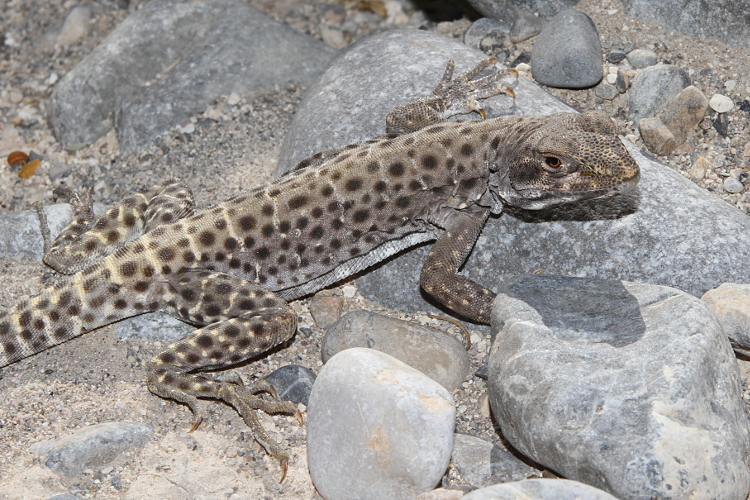
A closer look at the lepster.
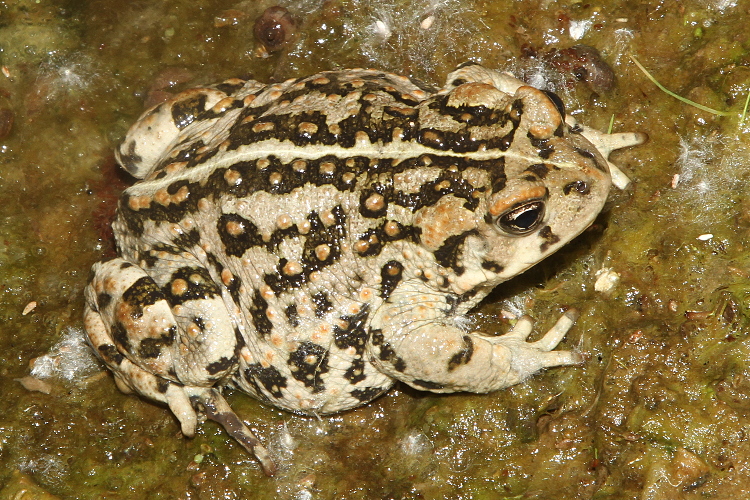
Amargosa Toad (Anaxyrus nelsoni). This species is limited to a small
stretch of the Amargosa River in the vicinity of Beatty, Nevada.
It was fun to see them.
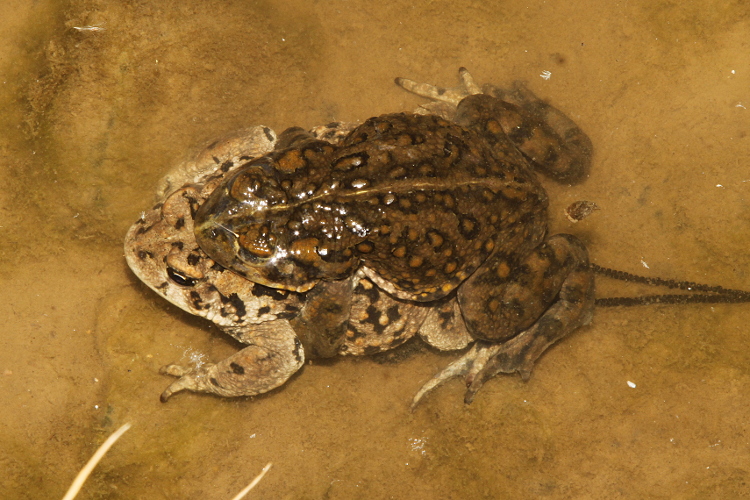
An amplectant pair of Amargosa Toads. Note the trailing string of eggs.
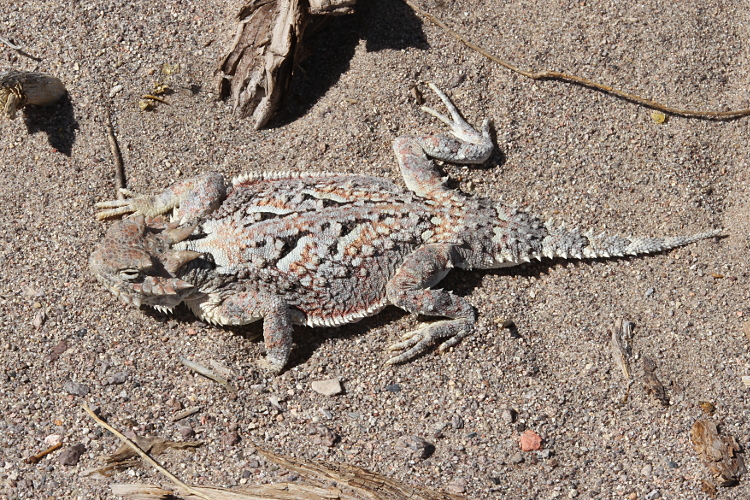
A Desert Horned Lizard (Phrynosoma platyrhinos).
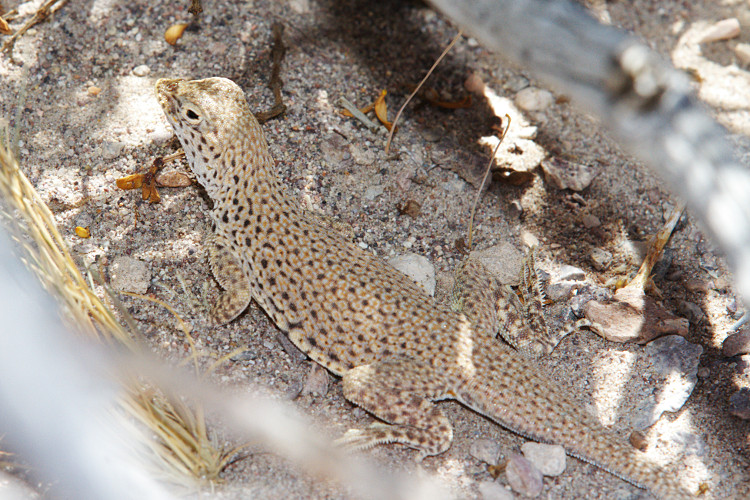
A Mojave Fringe-Toed Lizard (Uma scoparia), from Nevada.
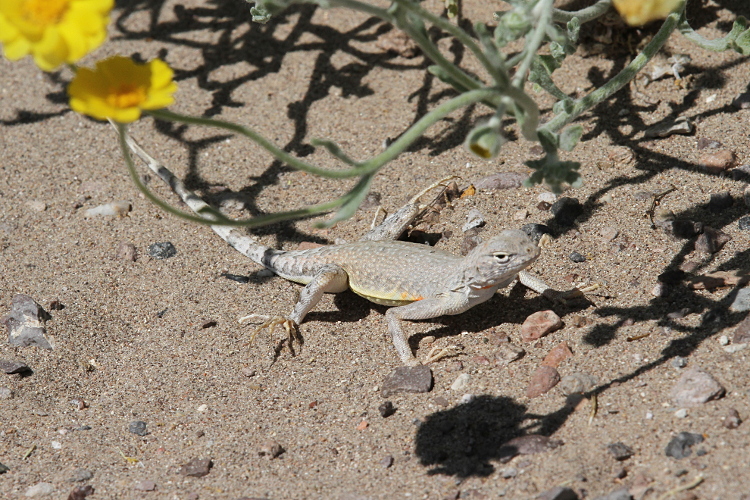
A Zebra-tailed Lizard (Callisaurus draconoides).
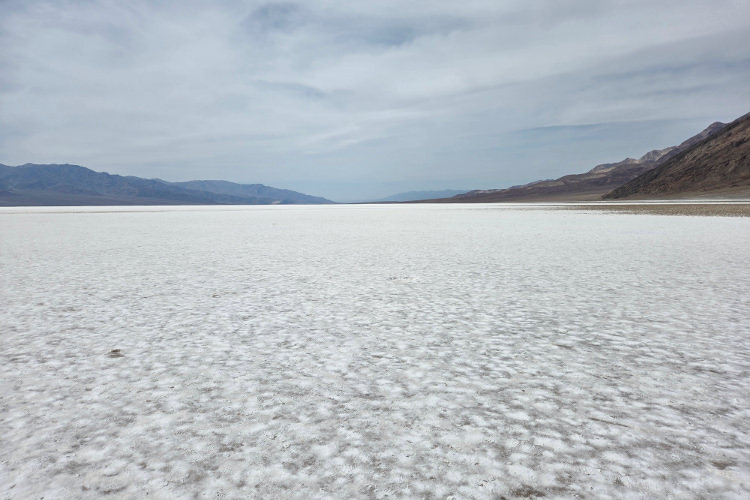
Salt playa on the floor of Death Valley. Definitely the low point of
the trip.
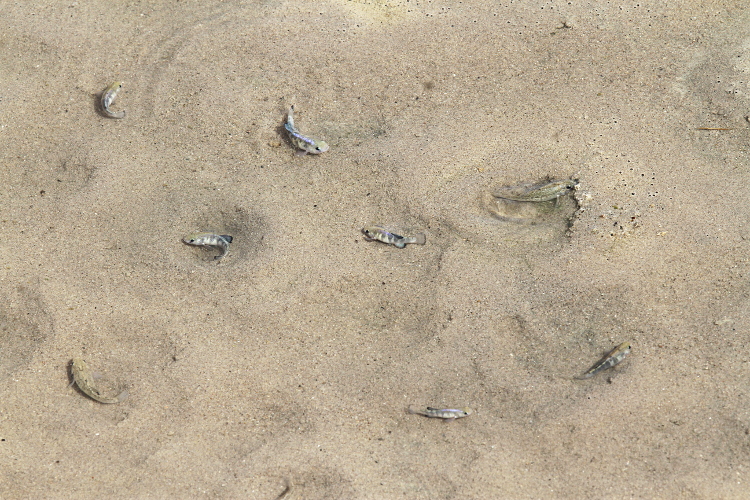
Death Valley Pupfish (Cyprinodon salinus). These are some tough
little fish. They can deal with water termperatures over 100 F and
salt content much greater than the oceans.
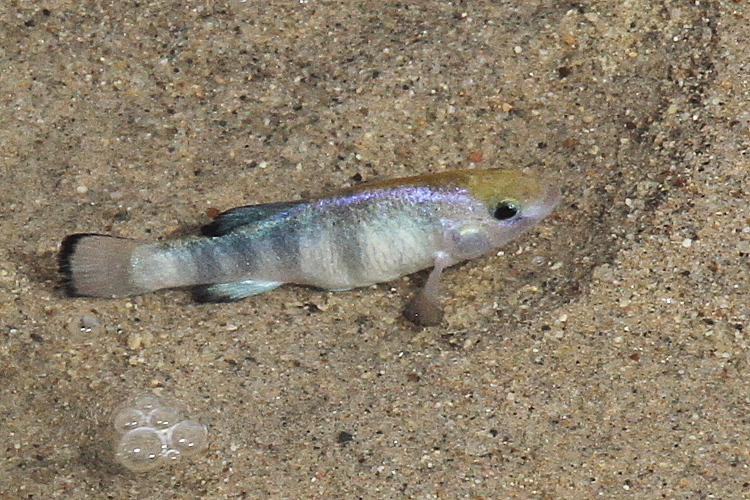
A closer look at a male Pupfish.
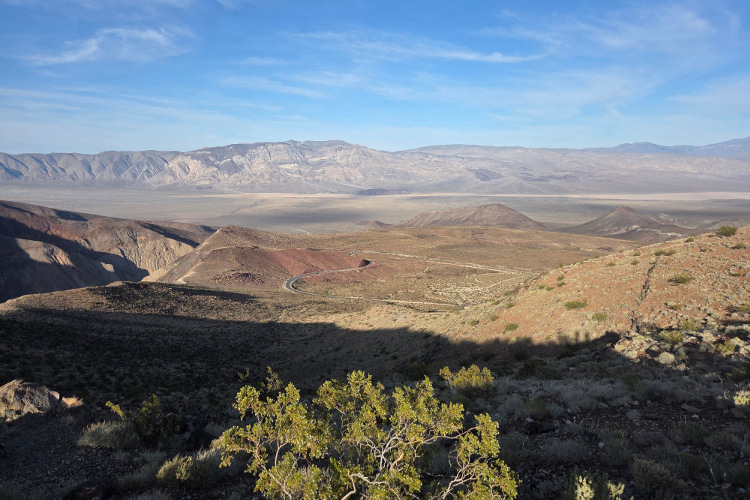
The north end of Panamint Valley.
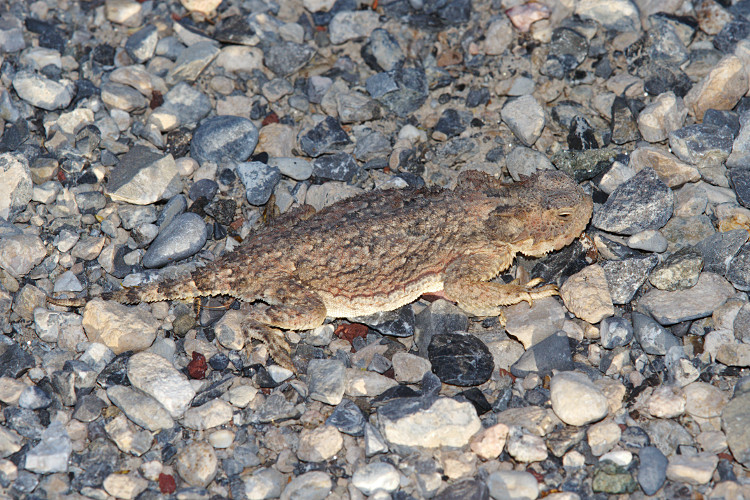
A Desert Horned Lizard (Phrynosoma platyrhinos), found at dusk.
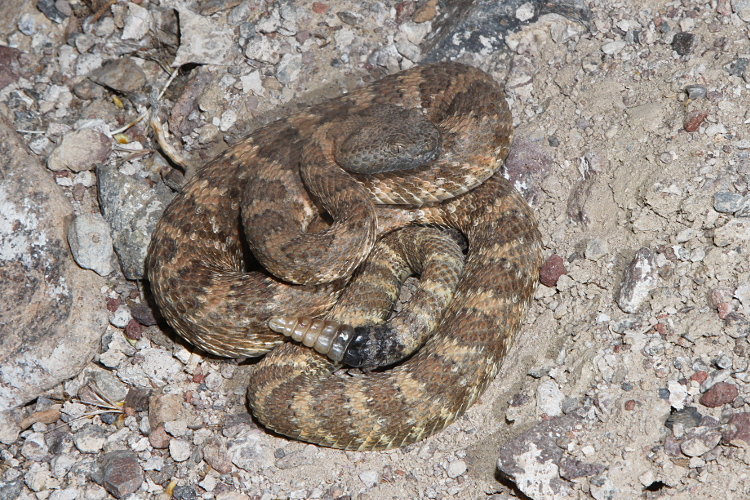
A Panamint Rattlesnake (Crotalus stephensi).
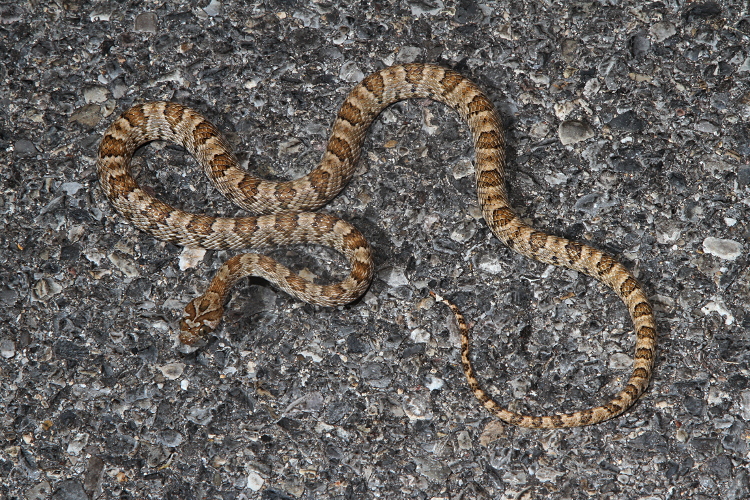
A California Lyresnake (Trimorphodon lyrophanes).
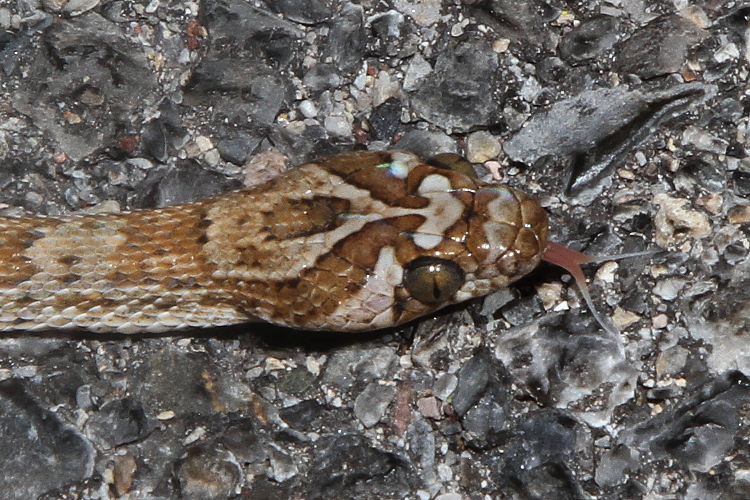
The head of the Lyre had an interesting pattern. It's name comes from
the pattern on the head of the snake, which may resemble the Lyre,
a musical string instrument. This patterns is variable, in my experience.
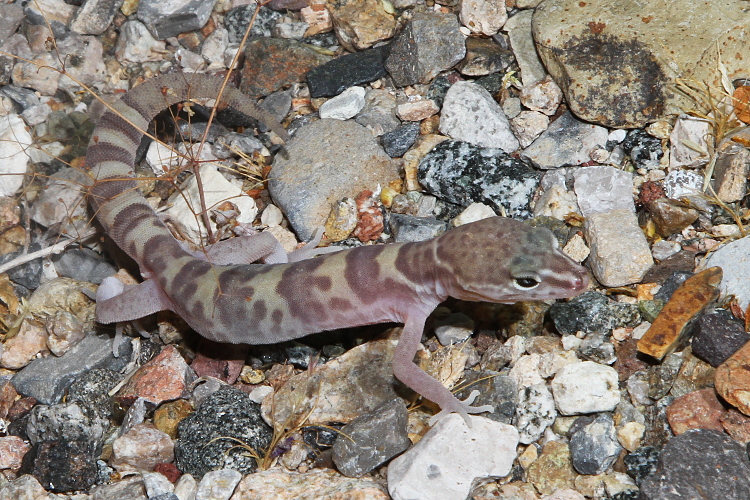
A Western Banded Gecko (Coleonyx variegatus).
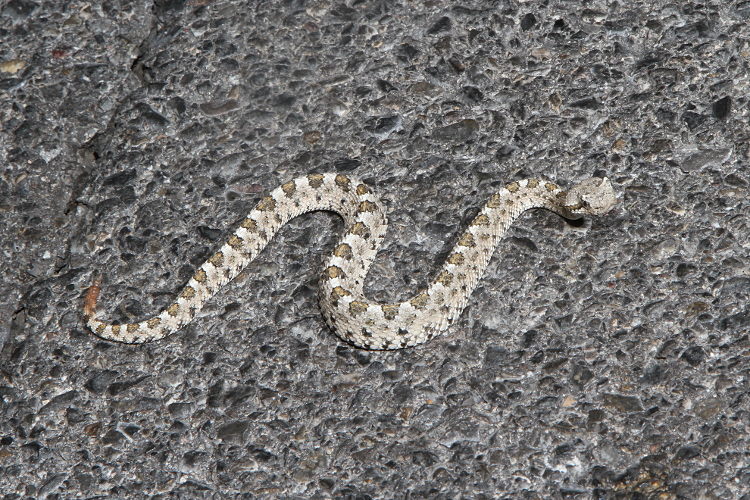
A young Sidewinder (Crotalus cerastes).
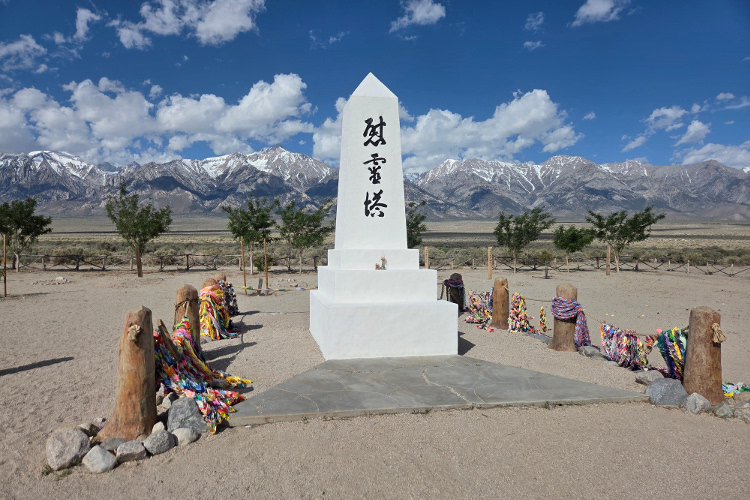
A memorial at Manzanar, a World War II internment camp for
Japanense Americans (U.S. citizens). The enscriptions apparently translates
to “Soul Consoling Tower.” I last visited Manzanar in the
mid 1980s, when there was basically nothing on the site.
On another note, the mountain peak just to the left of the obelisk is
Mount Williamson, an impressive 14er.
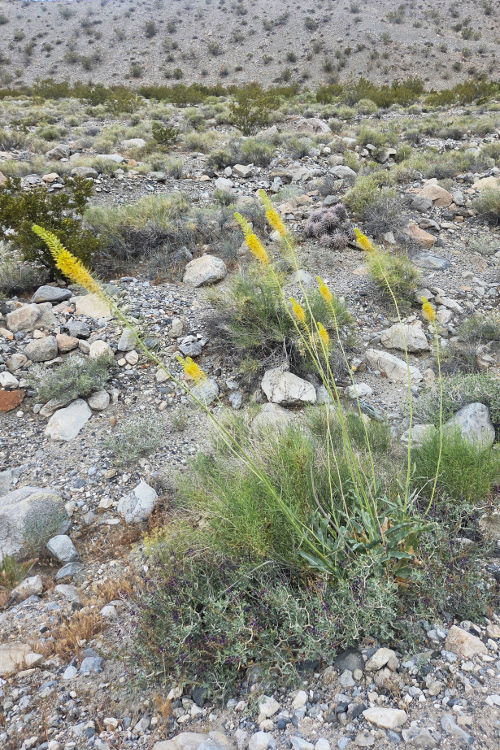
Prince's Plume (Stanleya pinnata).
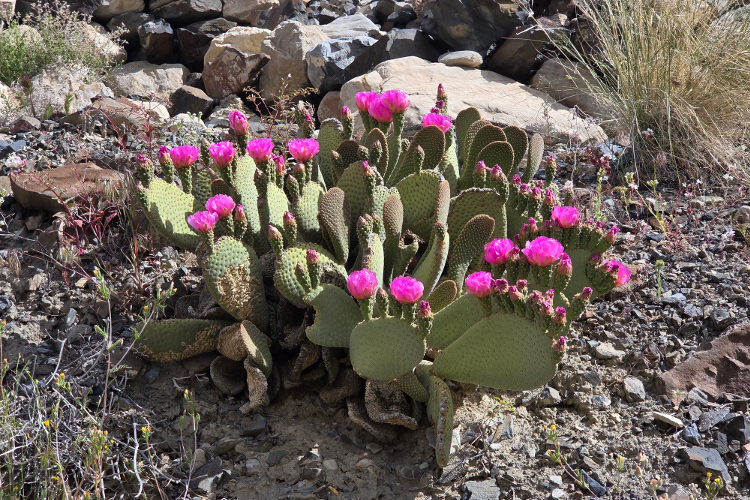
A Beavertail Cactus (Opuntia basilaris).
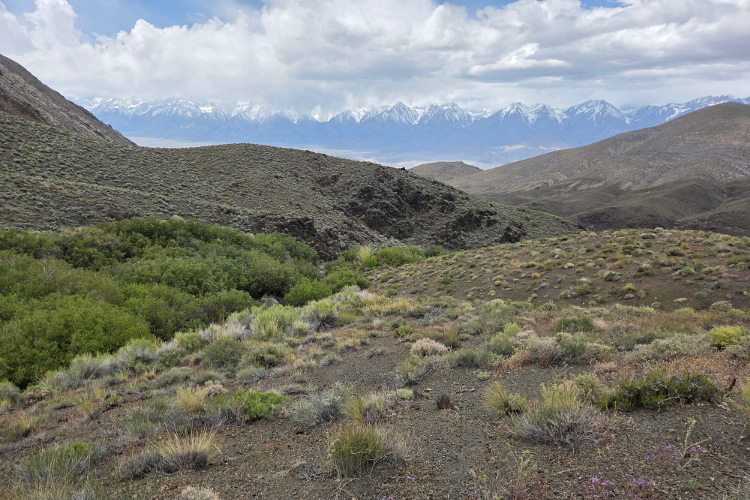
Looking out at the Sierras from the Inyos.
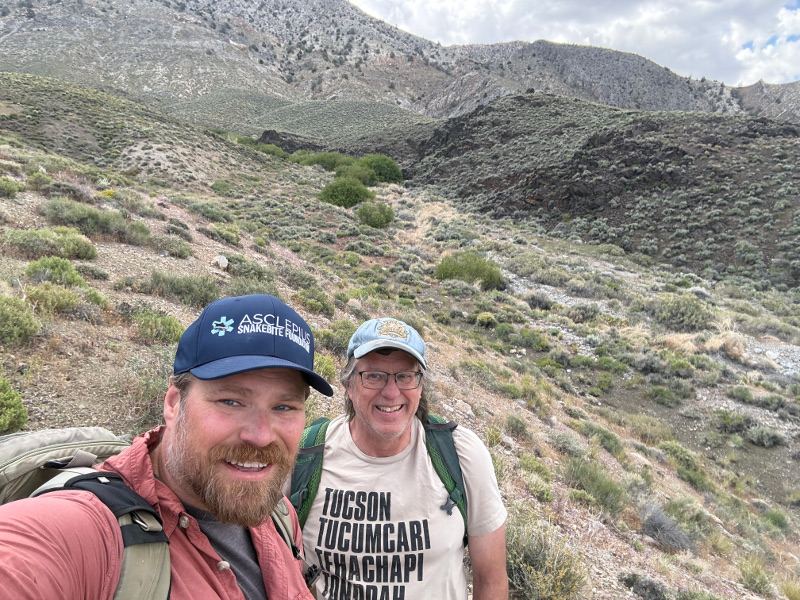
Jason and I.
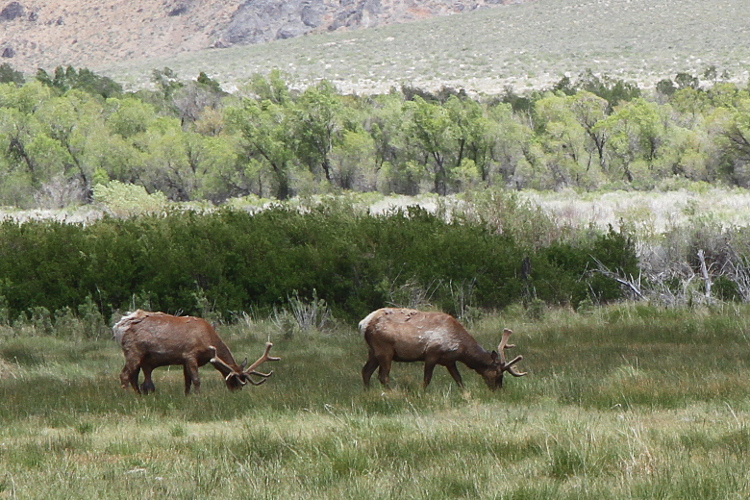
Tule Elk (Cervus canadensis nannodes). These were introduced in
the Owens Valley from California's Central Valley about 100 years ago.
They are apparently thriving.
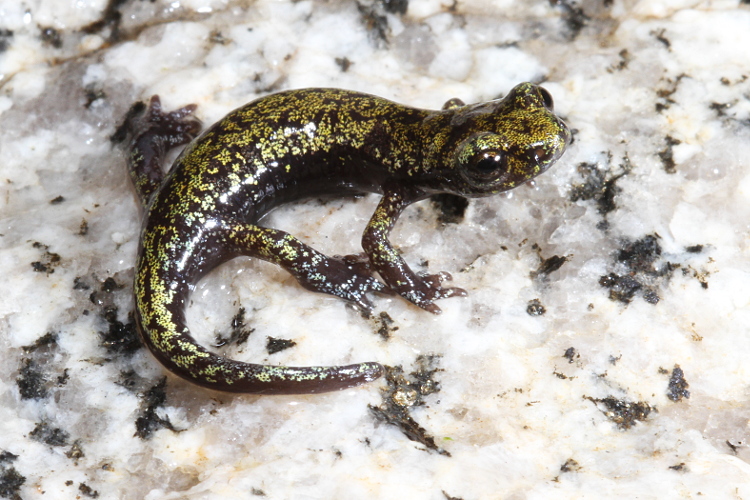
A young Mount Lyell Salamander (Hydromantes platycephalus).
We saw one other individual that was very similar to this one.
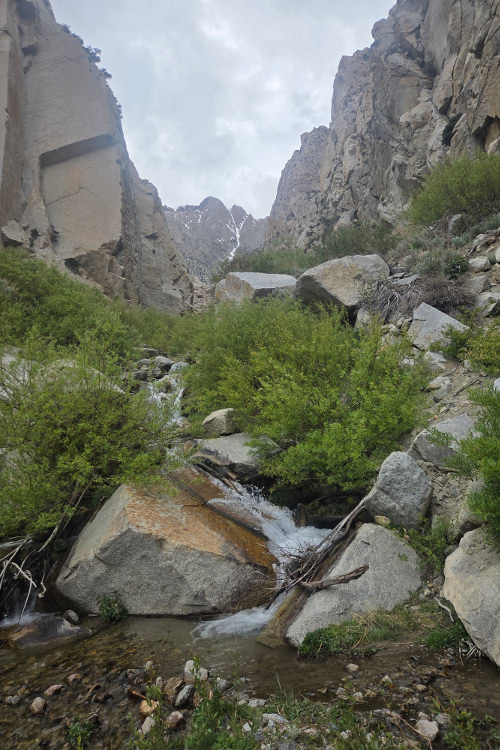
Habitat where the Mount Lyell Salamanders were found.
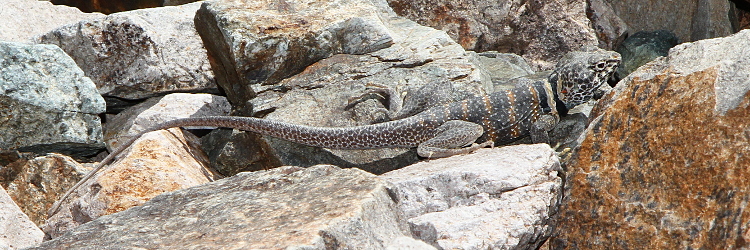
A Great Basin Collared Lizard (Crotaphytus bicinctores).
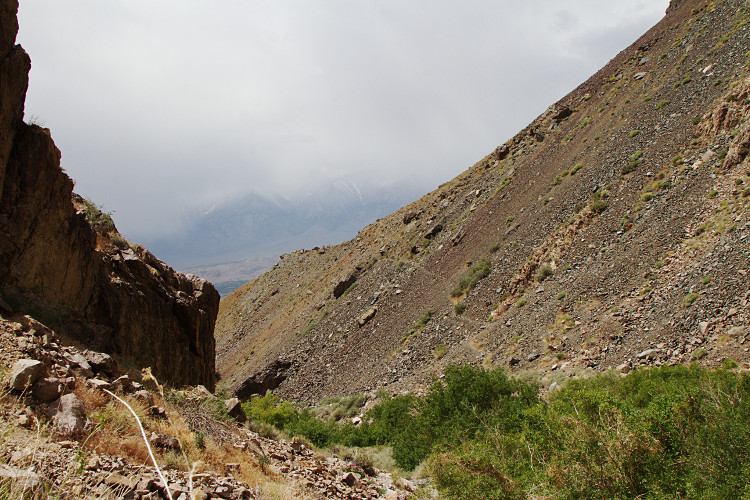
Looking over at some weather in the Sierras from the Inyos.
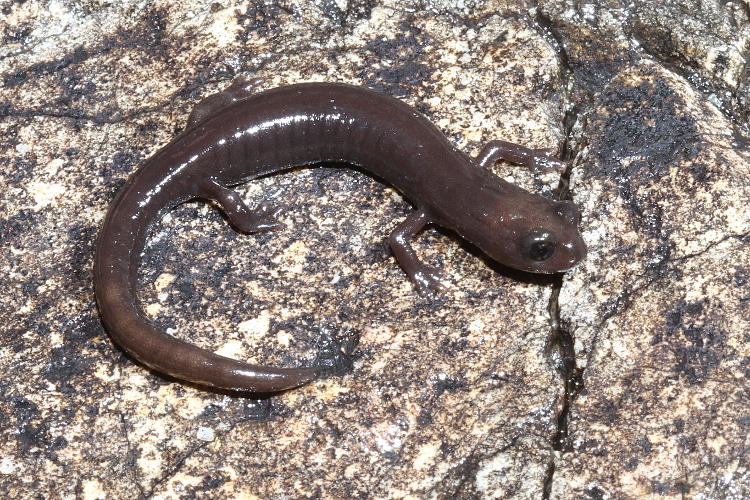
An Inyo Mountains Slender Salamander (Batrachoseps campi).
One of two found. This species only occurs in the Inyo Mountains of
eastern California.
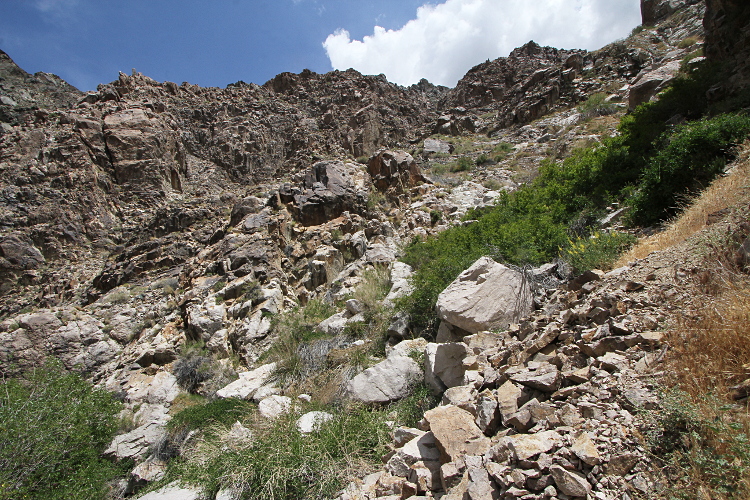
Habitat where the Inyo Mountains Slender Salamanders were found.
There is some flowing water amongst the rocks.
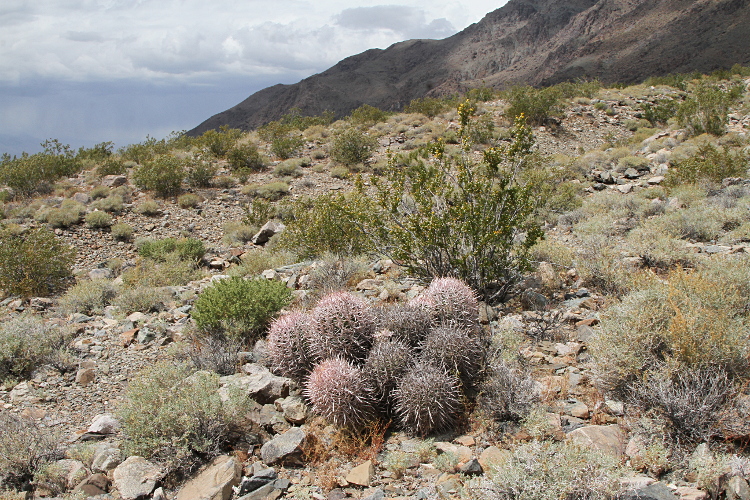
A Barrel Cactus of some sort.
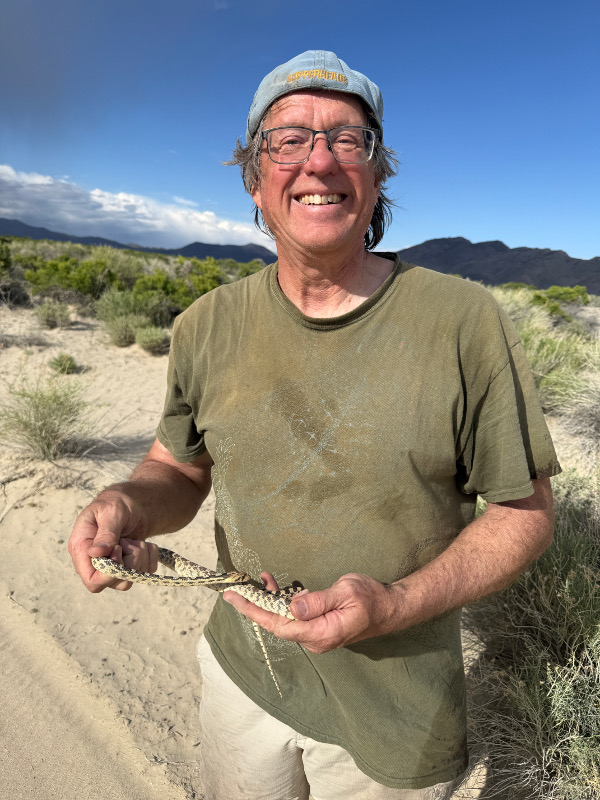
A Great Basin Gophersnake (Pituophis catenifer deserticola),
found out on the crawl on a cool afternoon.
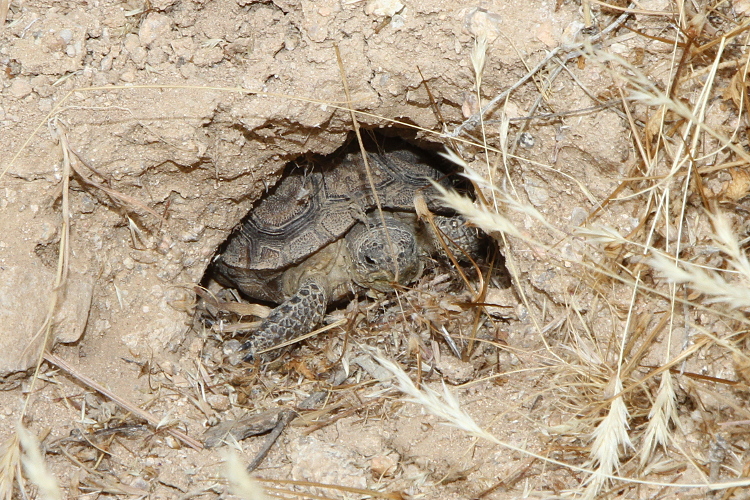
A young Mojave Desert Tortoise (Gopherus agassizii) in a burrow.
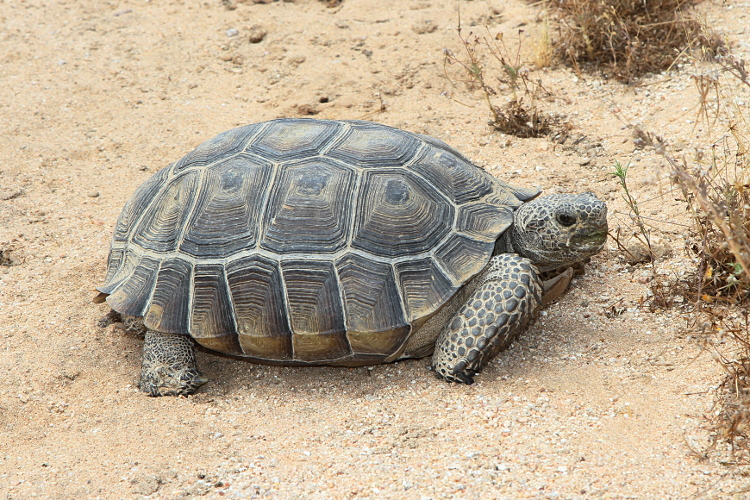
An adult Desert Tortoise, as found.
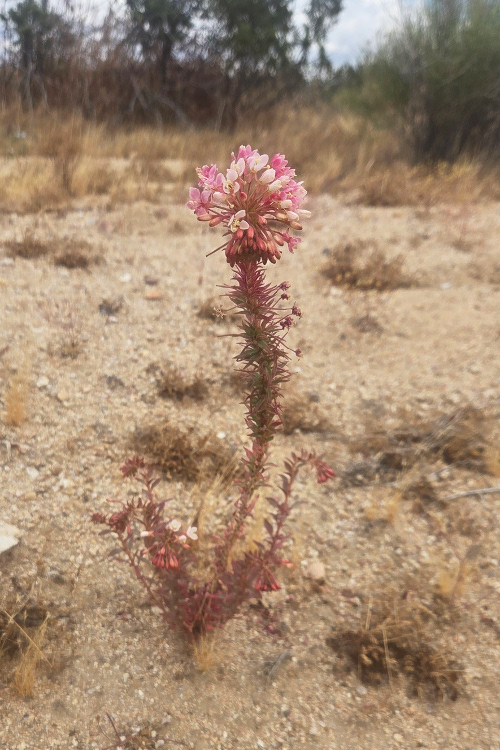
Booth's Evening Primrose (Eremothera boothii), also known as the
Woody Bottle Washer.
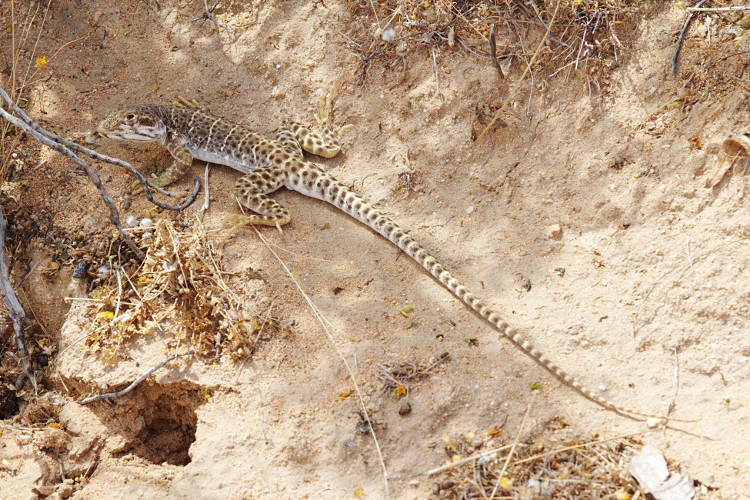
A Leopard Lizard (Gambelia wislizenii).
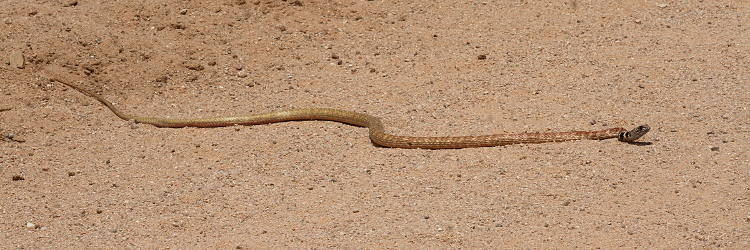
A Red Racer (Masticophis flagellum piceus), as spotted on a dirt road.
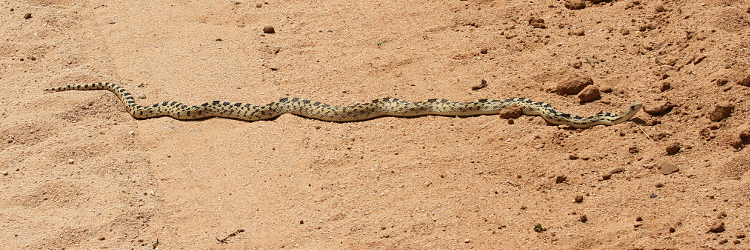
A Great Basin Gophersnake (Pituophis catenifer deserticola), as
found on the shoulder of a dirt road.
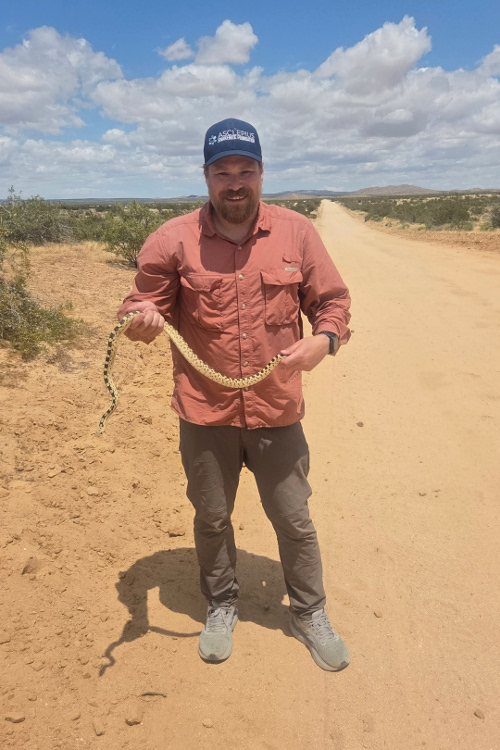
Jason and the Gopher Snake.
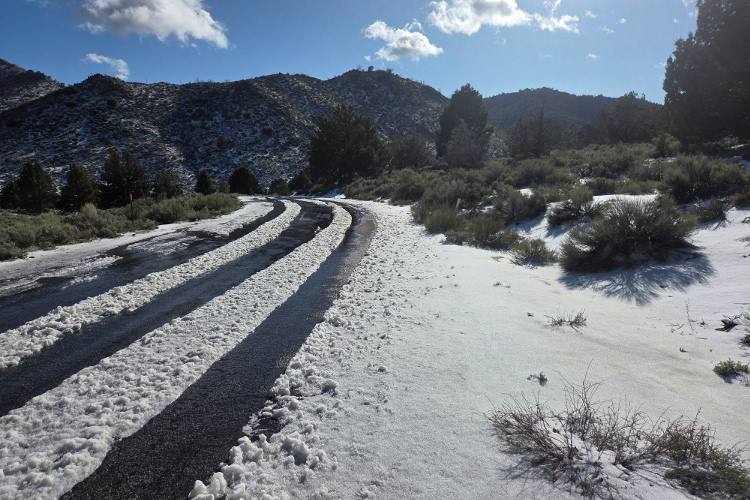
Some snow that must have fallen the night before. I was not expecting to
see this.
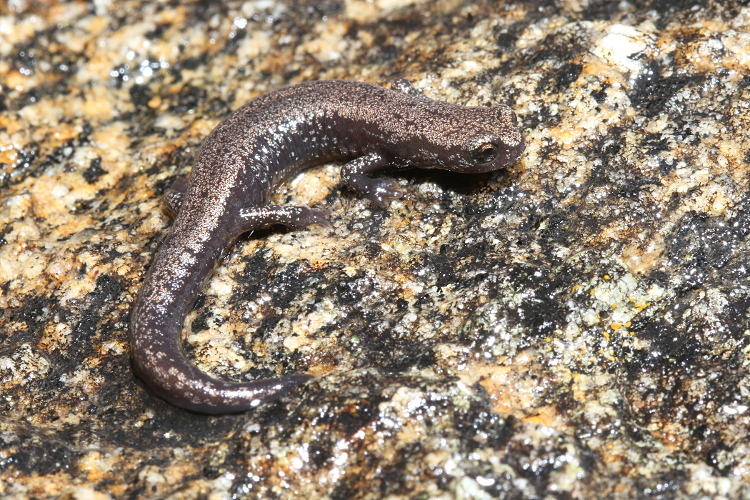
A Kern Plateau Slender Salamander (Batrachoseps robustus).
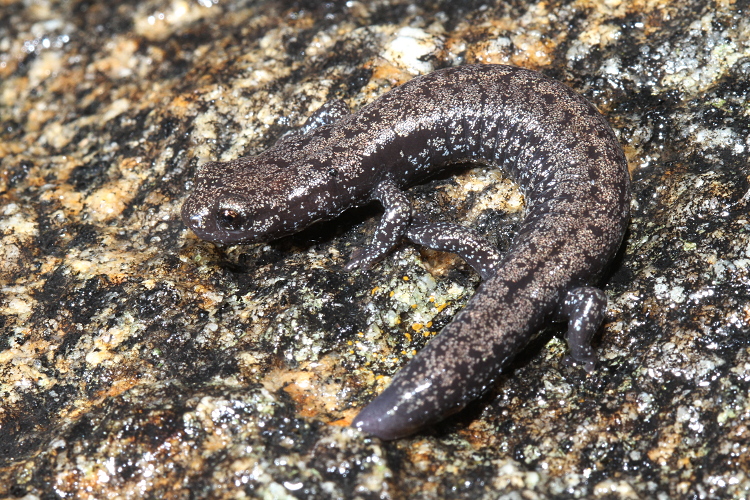
Another Kern Plateau Slender Salamander.
That's all for this trip. It was great getting together with Jason
and exploring the desert. The trip worked out great. The only thing
that was not ideal is that the weather was on the cool side, and
night cruising for snakes was mostly not feasible -- only one night
was decent for that.
Return to Carl's photos.