Ohio Eastern Hog-nosed Snakes
The Eastern Hog-nosed Snake (Heterodon platirhinos) is a species
that I do not see very often. As of this writing (September 2026), I
have lived in Ohio for 25 years and have been actively searching for snakes
here the entire time.
I have only seen 20 alive in the field in Ohio. I have also found eight that
were dead-on-road (DOR) and two shed skins. All but one of these were found
in southeast Ohio: east of the Scioto River and south of Interstate 70.
This does not necessarily mean they are a rare snake, but they are
somewhat specific in their preferred habitat and my searching methods
are not optimized for them.
In southeast Ohio, they appear to prefer open prairie-like conditions.
Often, this habitat is associated with old mining or agricultural activity
or utility rights of way.
Their occurrence is widespread. One of the DORs I found jogging about
half a mile from our house.
Their color phases are highly variable and some animals are quite stunning.
Here are photos of some of the animals that I have found.
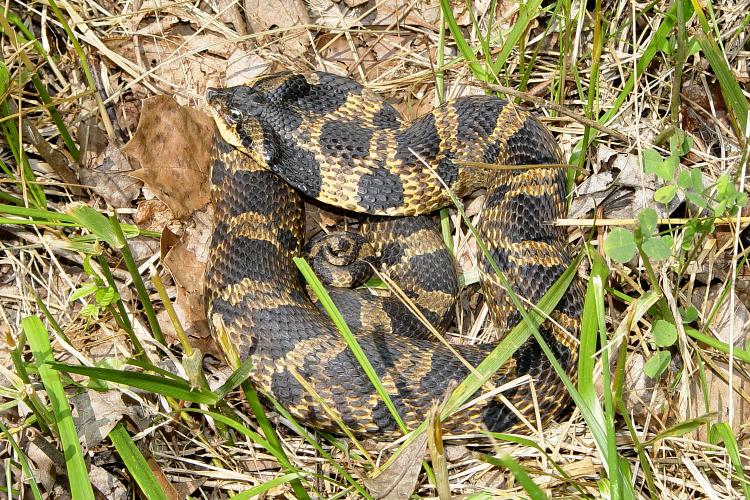
Athens County. This animal was found on an Ohio University Herpetology
Club outing in June 2004. One the first I saw in Ohio. Good times with
Scott Moody (RIP) and Jason Folt.
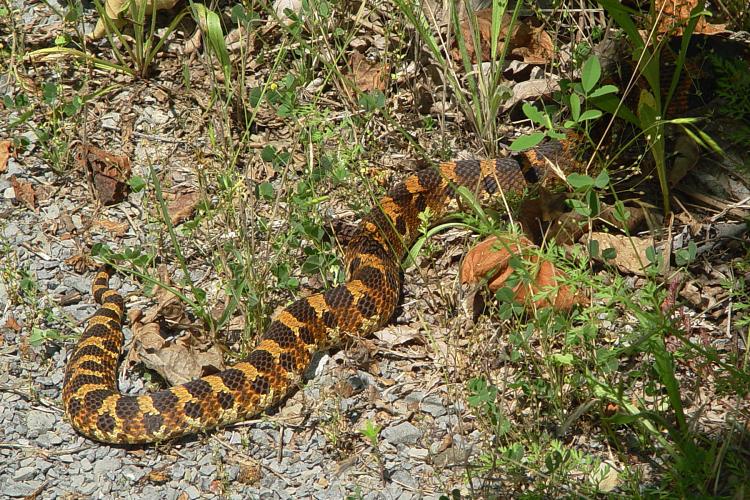
Athens County. Shown as spotted at the edge of a railroad berm on a very hot
summer day. This was a beautiful snake. I held on to it for a few hours,
hoping to get better photos. Its colors were not as vibrant after
it cooled down a little. It was also not cooperative for photos.
So I will leave it with this.
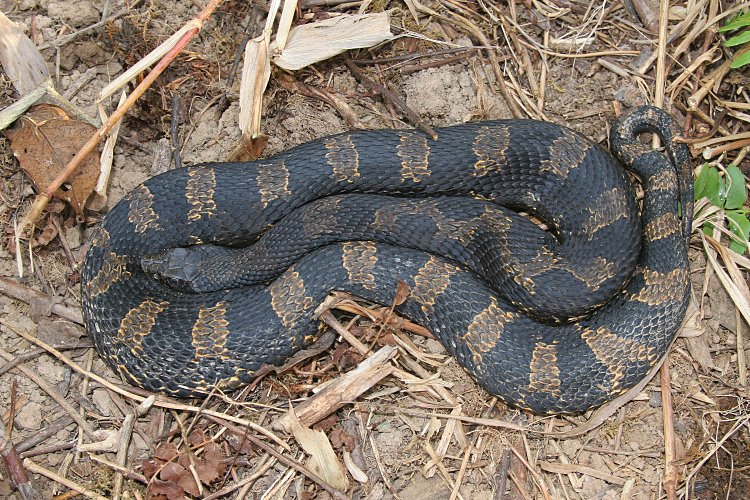
Gallia County. Shown as found under tin.
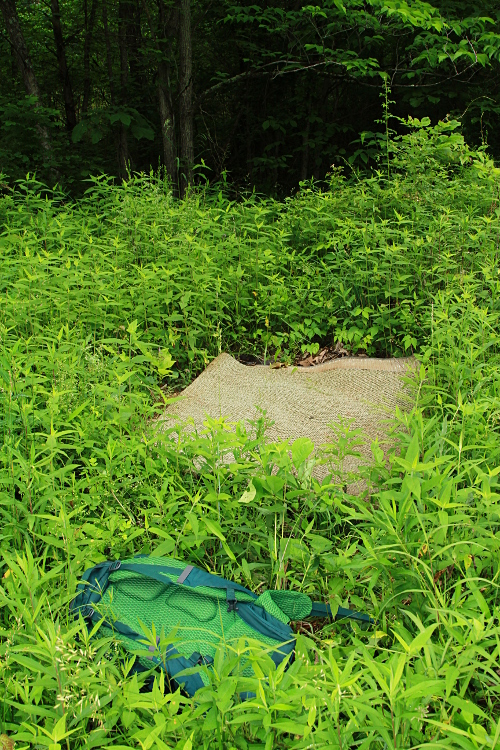
Gallia County. At one point, I walked up on this scene.
It had just stopped drizzling.
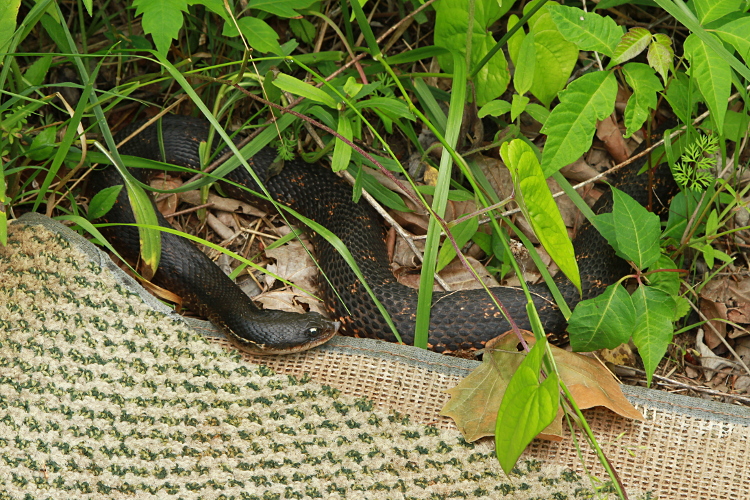
Looking more closely at the edge of the carpet.
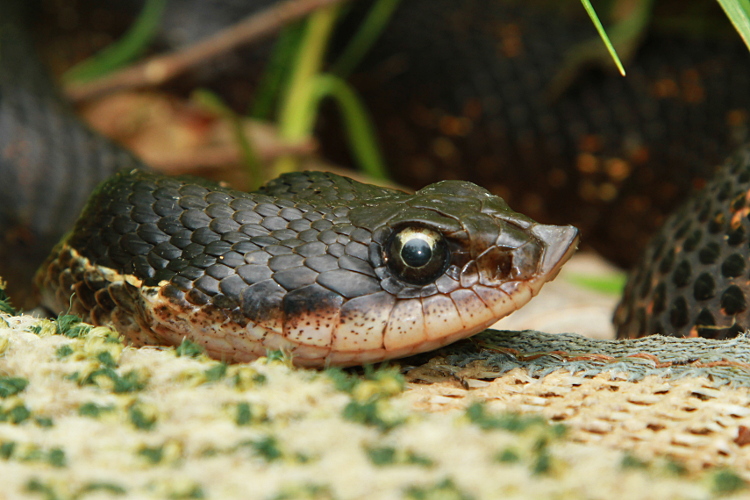
A closer look. The snake never budged and I let it be.
Do you see what I see?
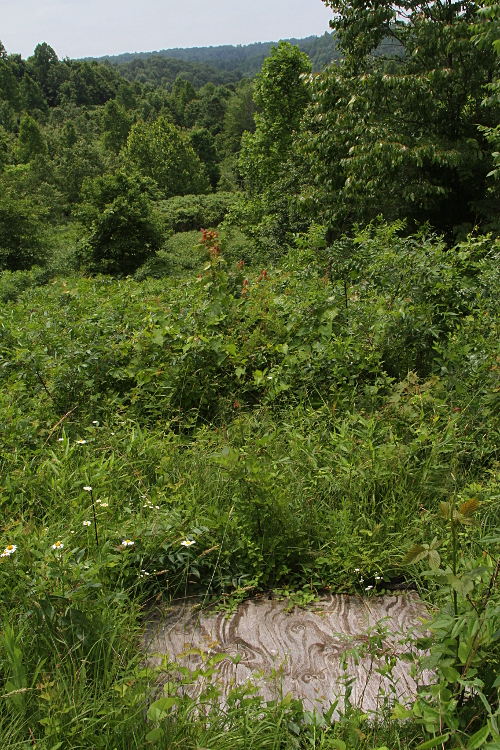
Look closely at the upper right corner.
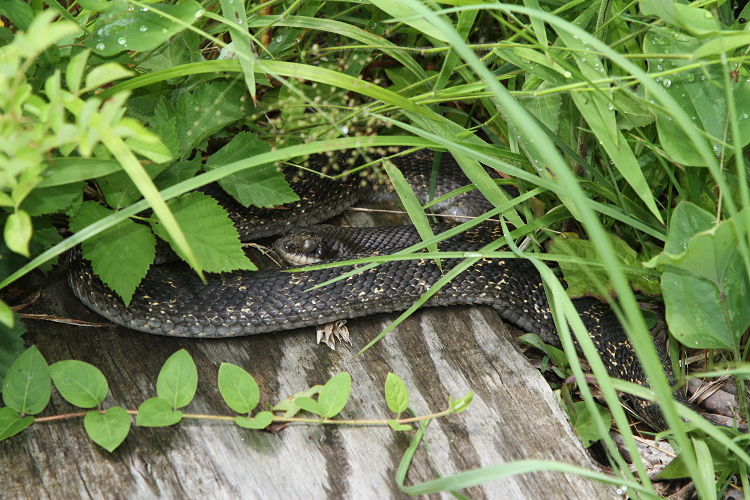
Gallia County.
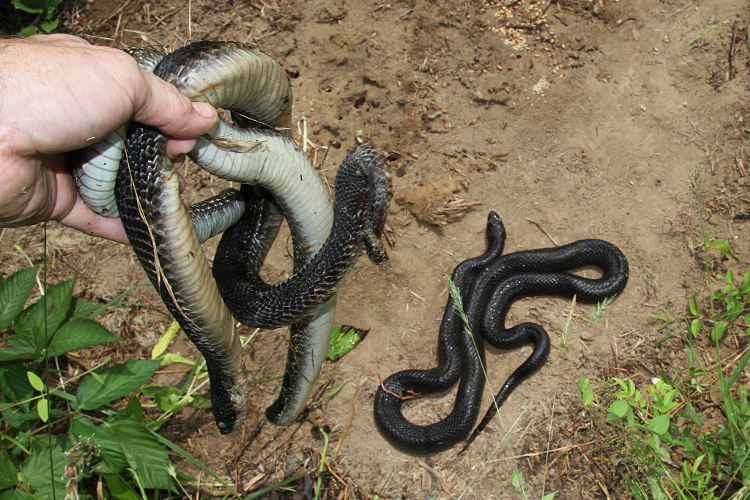
When I walked around to the other side of the board, there was another
Hog-nosed Snake right next to the one on the board. Both of the
Hog-nosed Snakes were in pre-shed condition.
And then under the board, there was a Black Kingsnake!
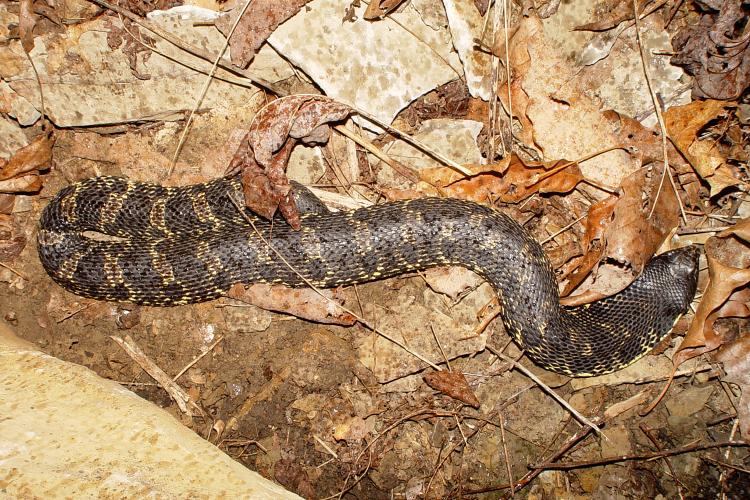
Jackson County. Shown almost as found under a rock on a rainy day.
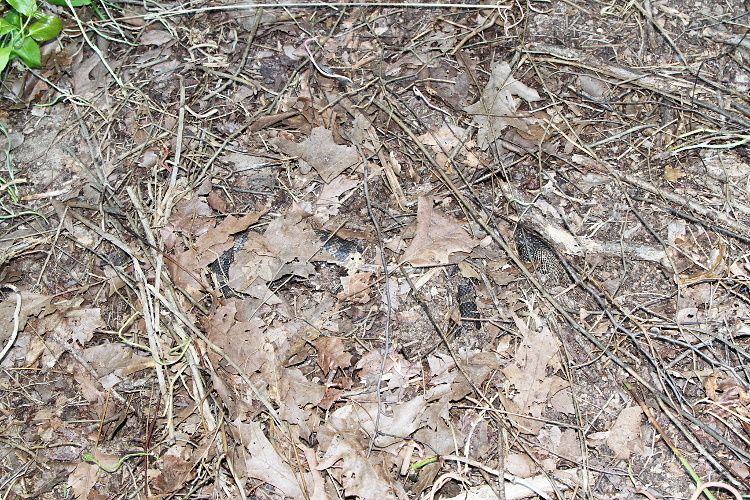
Jackson County. A friend and I flipped a board. There was
a Black Racer coiled up. Upon careful inspection, another snake
was visible under the leaf litter under the racer.
The racer soon took off, leaving us with this image.
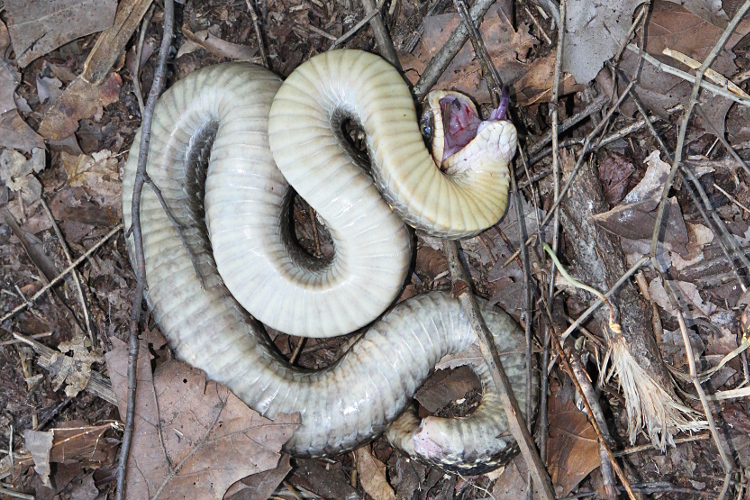
With a little prodding, the snake came out, but it soon started playing
dead.
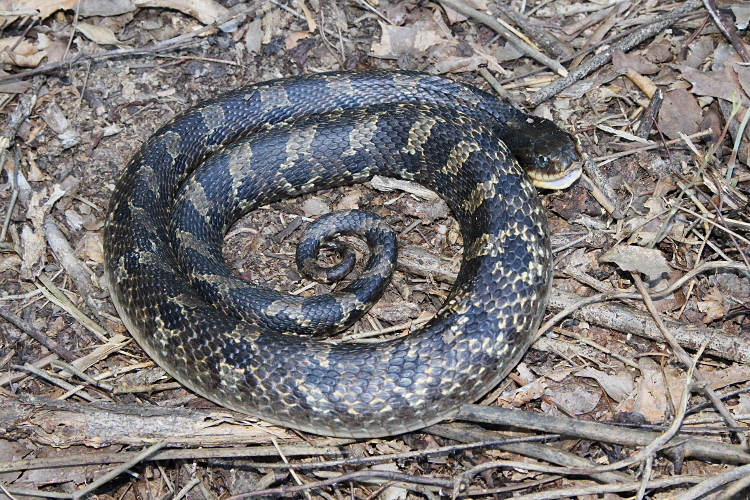
It only somewhat cooperated for further photos.
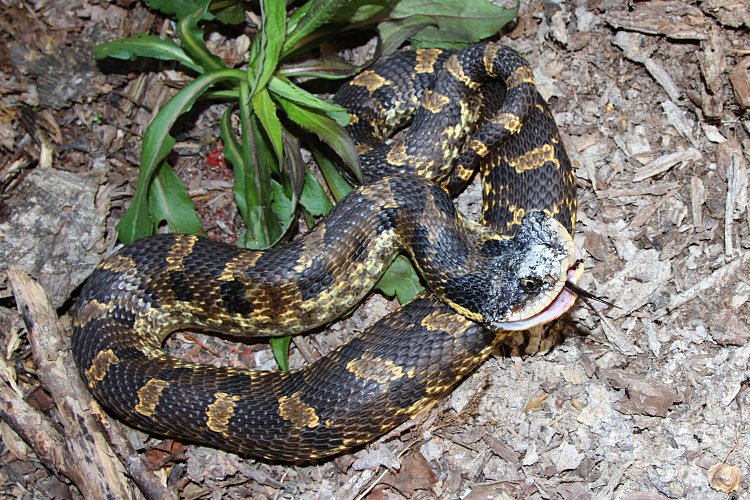
Lawrence County.
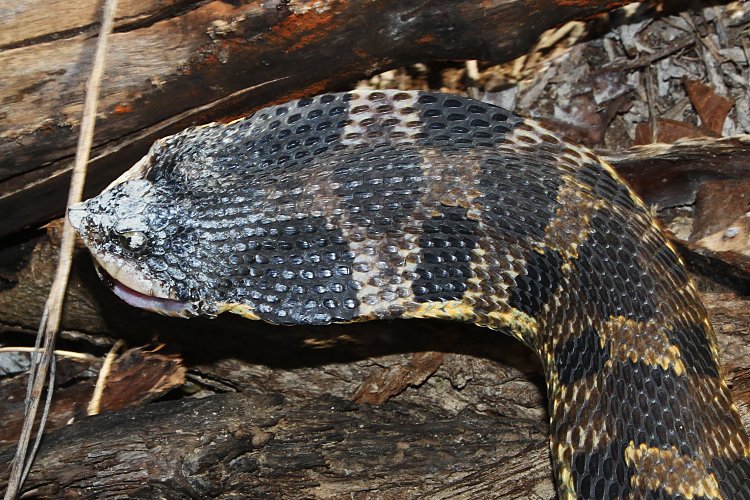
A closer look at the previous animal. It was found at the site of an old
clay mine. Not surprisingly, the soil here is a fine gray clay,
like you see on the snake's head.
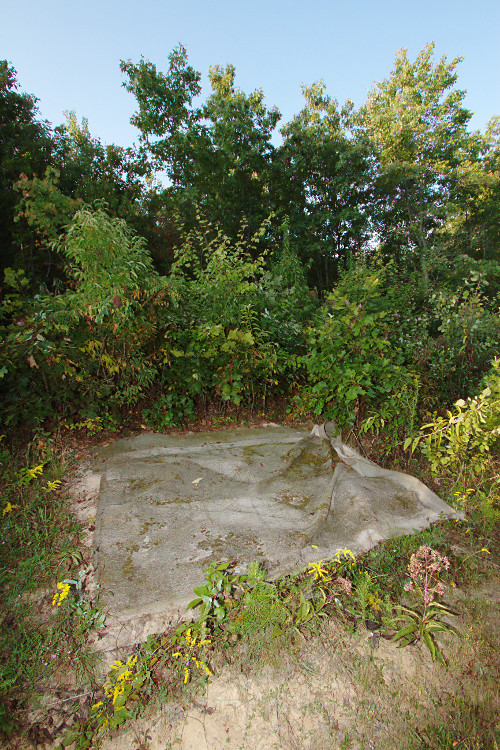
Lawrence County. A large carpet located in a utility right of way on a ridgetop.
Over the past years, I have seen Black Racers, Black Ratsnakes,
Copperheads, Milksnakes, and Ringneck Snakes under it.
Within a short walk from here, I've seen Black Kingsnakes, Smooth Earth
Snakes, Worm Snakes, and Dekay's Snakes.
This photo is from later in the season, on September 5. I have included
it as part of an interesting story.
On June 14, I lifted the carpet. At first I did not see anything, but then
I noticed the tail of a black snake coming out of a hole. The scales were
keeled. I also knew instantly that it was not a Black Ratsnake,
Black Racer, or Black Kingsnake, which are snakes that I see commonly.
I even considered the possibility of a melanistic Common Garter Snake, because
I had seen photos of them posted on the internet recently. Just as I realized
what species it must be, the snake made a loud hiss, and its head popped
up out of the ground.
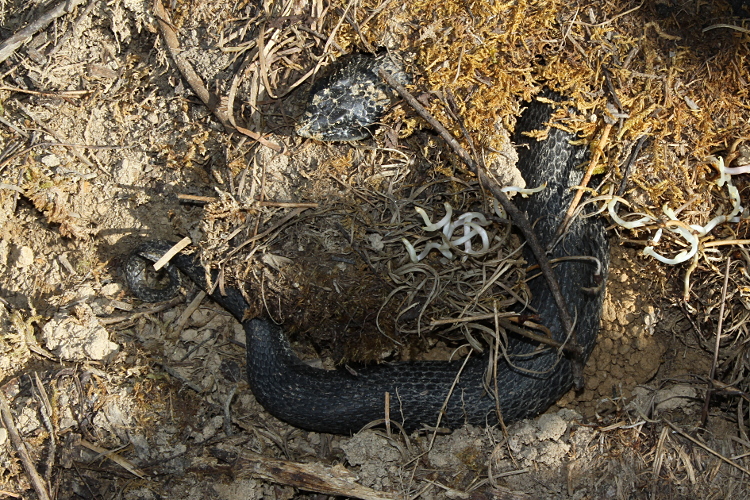
An all-black (melanistic) color phase!
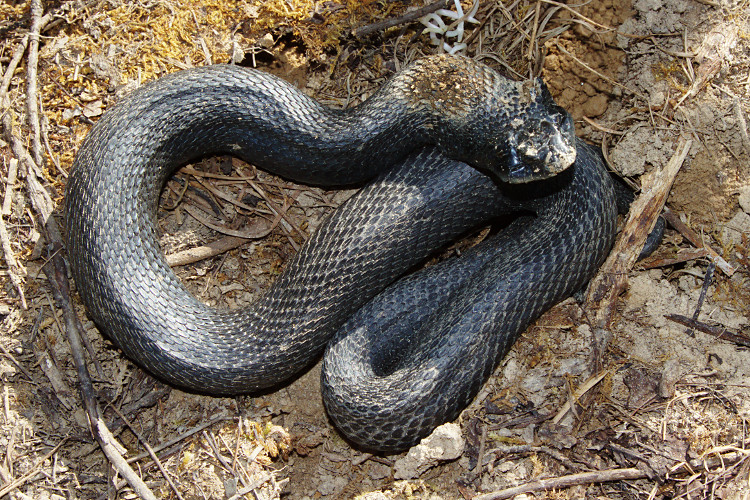
I took a couple more photos, and otherwise left the snake alone.
I returned the carpet to its original state.
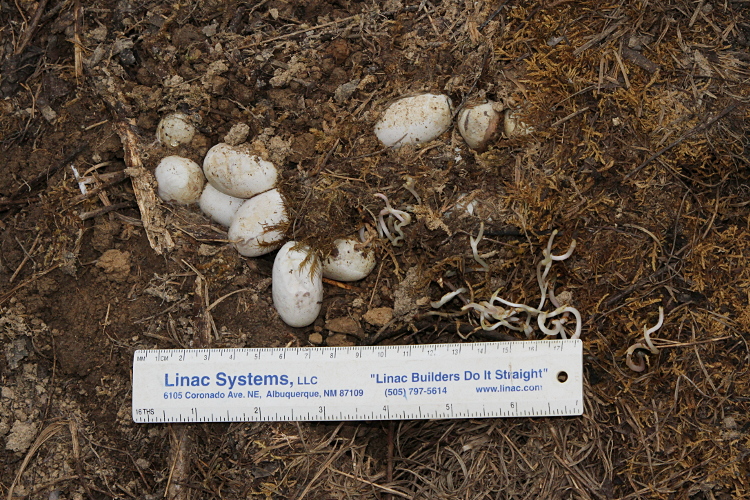
I returned to the site on July 5 and found that snake eggs had been
laid in the tunnel the Hog-nosed Snake was in.
Although it is hard to say for sure, my impression was that that there were
several more eggs than one can see in photo, perhaps a lot more eggs,
farther underground.
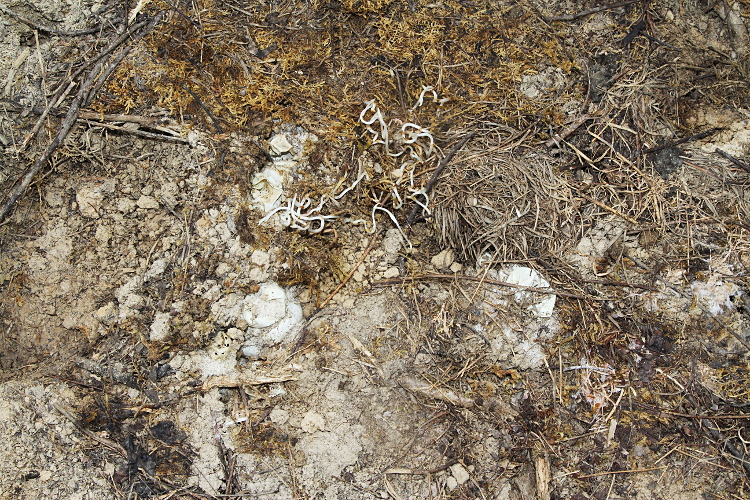
I checked in on the eggs again on August 6. They did not appear to be doing
well. The upper layer were clearly dead and deflated. The nest was also
crawling with ants.
I removed 7 of the dead eggs. It was not clear to me what happened.
The deflated eggs shells had numerous small holes in them. Perhaps a predator?
Or maybe the they got too hot (the carpet is in full sun)?
I also took 2 eggs that were located just below dead eggs home.
I put them in a container with moist perlite, something Roxanne has laying
around for making potting soil.
I must admit that I did not have a great deal of confidence in these eggs.
They felt a bit mushy to me and they were right next to the dead eggs.
But I am not an expert on these matters.
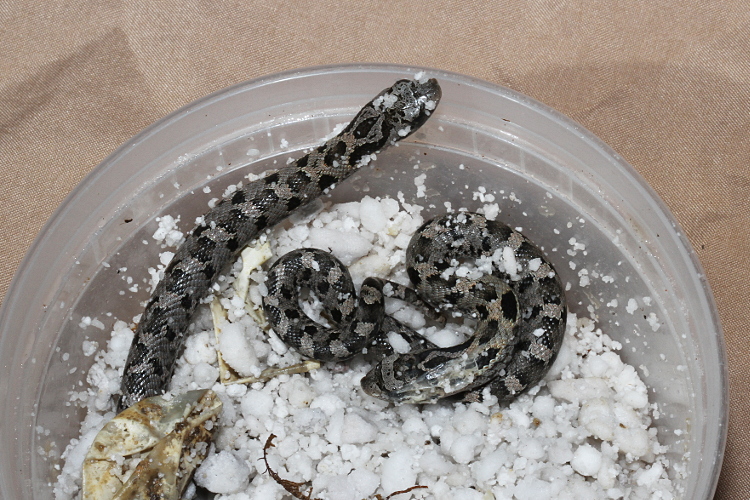
On August 31, both eggs hatched! A couple of days later, they shed their
skin. You can see part of the shed on the snake on the right.
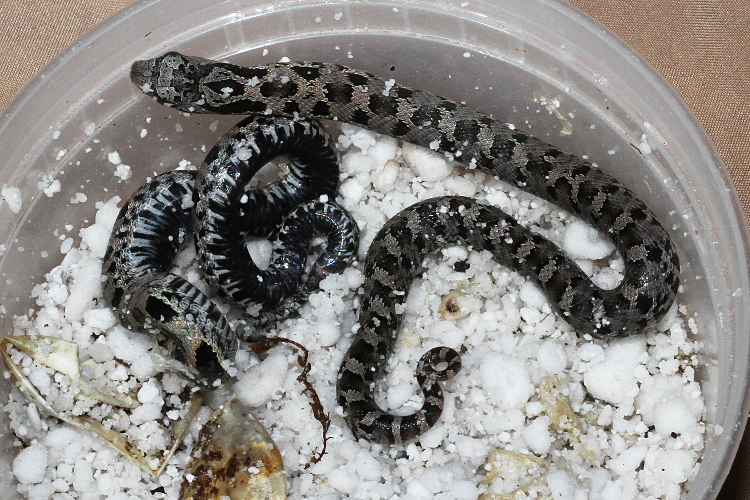
Another look. They both had black bellies. They were weighed and measured:
| snake |
#1 |
#2 |
| weight |
6.55 grams |
5.94 grams |
| total length |
207 mm |
205 mm |
| snout-vent length |
177 mm |
177 mm |
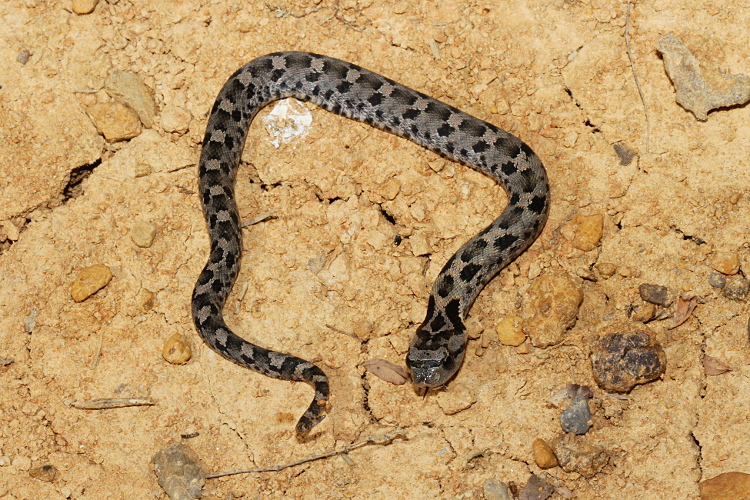
This is #2, which refused to sit still, unless it was playing dead.
It never hissed or spread its neck.
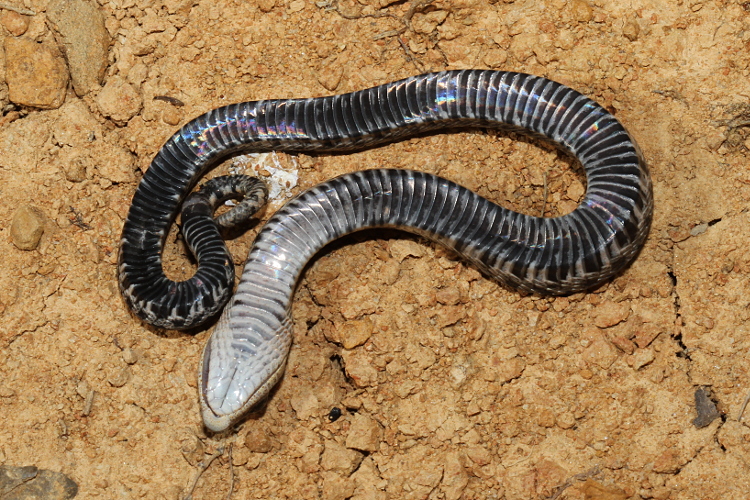
#2, playing dead.
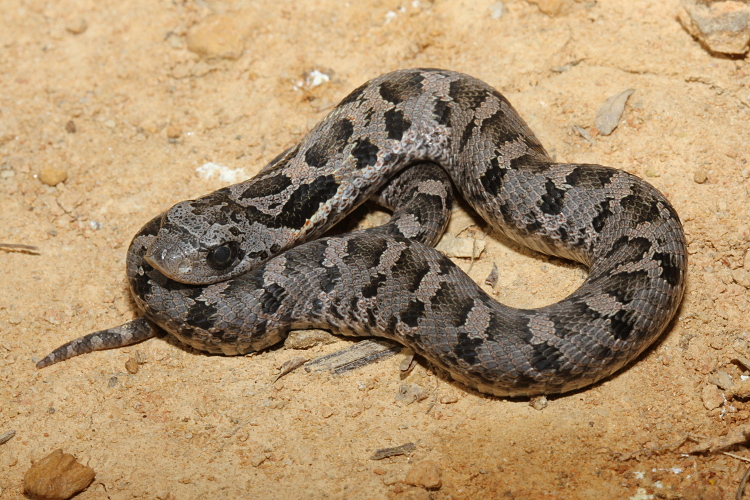
This is #1, which never played dead, but often hissed and spread its neck.
It did eventually sit still for a photograph.
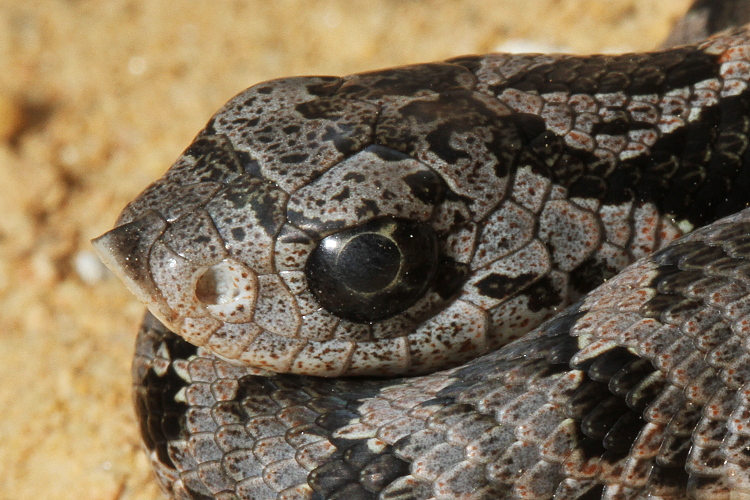
A closer look at #1. My what big eyes you have.
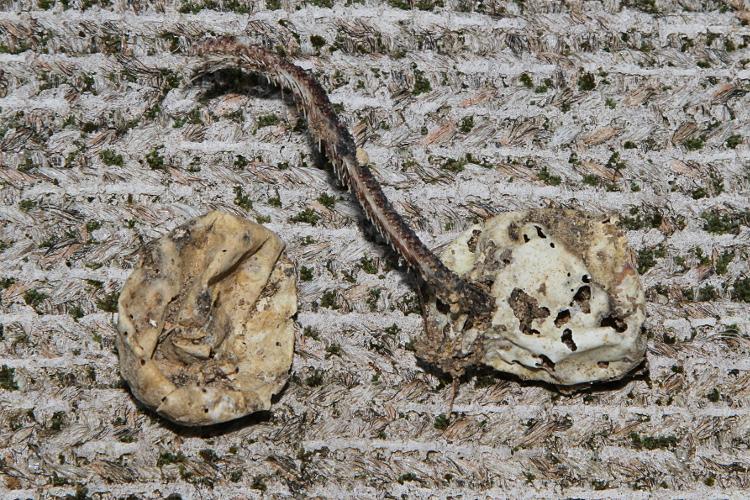
I returned the two babies to carpet site a few days after they hatched.
I could not tell if any of the other eggs had successfully hatched.
Some clearly had not, such as the two shown above. This is the end of
the story.
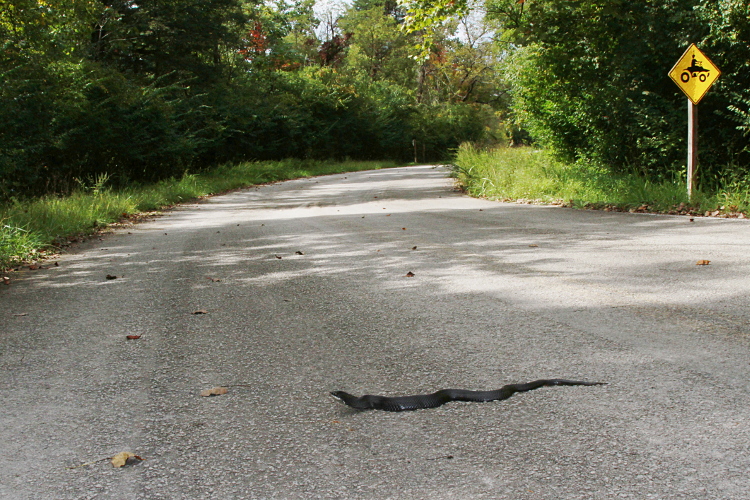
Lawrence County. A gorgeous large black phase found crossing a road.
A couple of county sheriffs drove up while we were admiring the serpent.
One them remarked “That's no ordinary blacksnake.” Enough said.
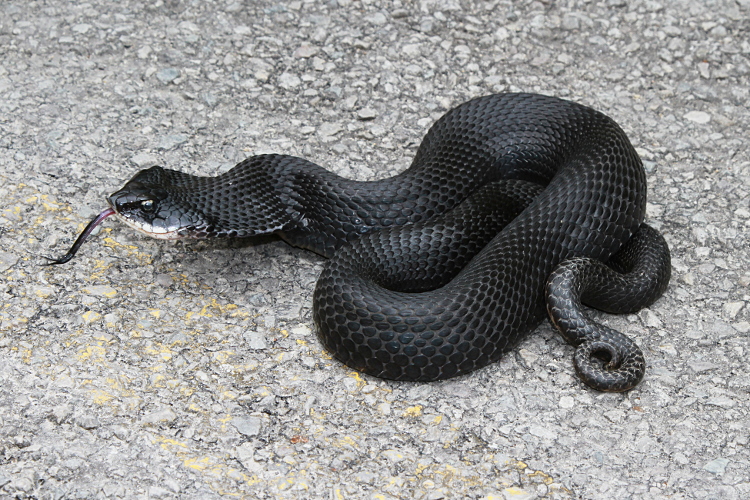
Another look at the previous snake.
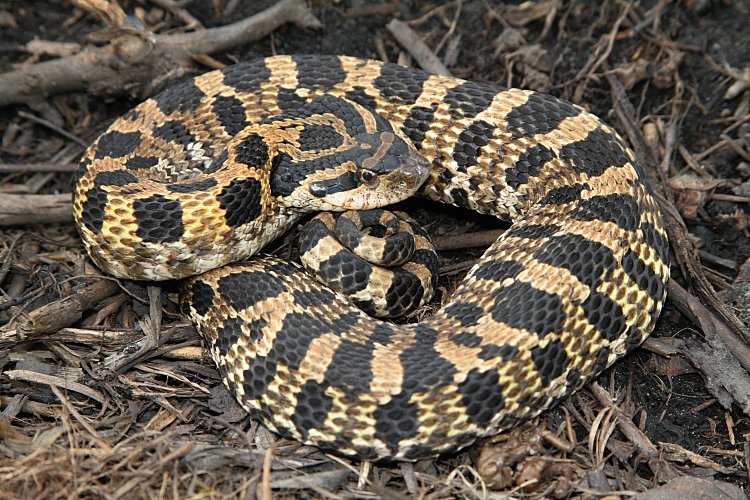
Lucas County. They are apparently relatively abundant in this area of northwest
Ohio. This is the only one I've seen in Ohio that was not in southeast part of
the state.
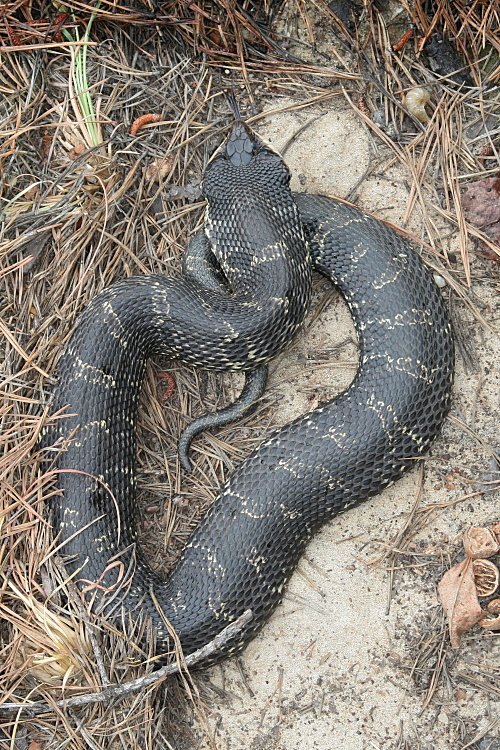
Pike County. Shown almost as found under a piece of tin.
This animal was found in a glacial outwash area that has been mined
for sand in the past.
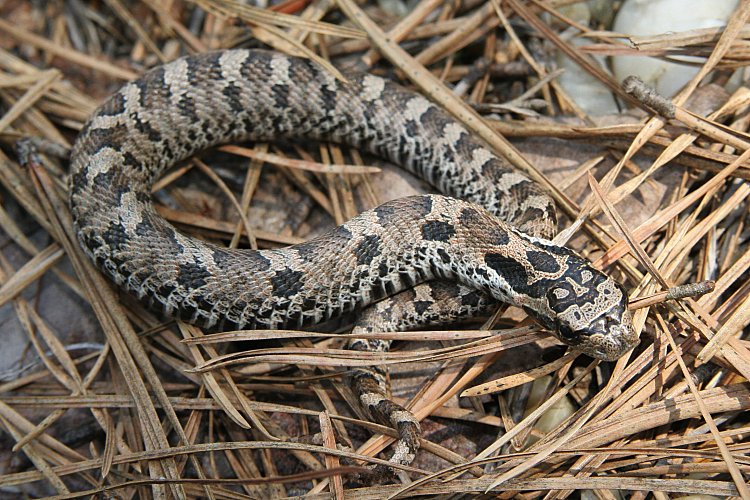
Pike county. A young snake found on 10 May 2007. It was almost certainly born
the previous year.
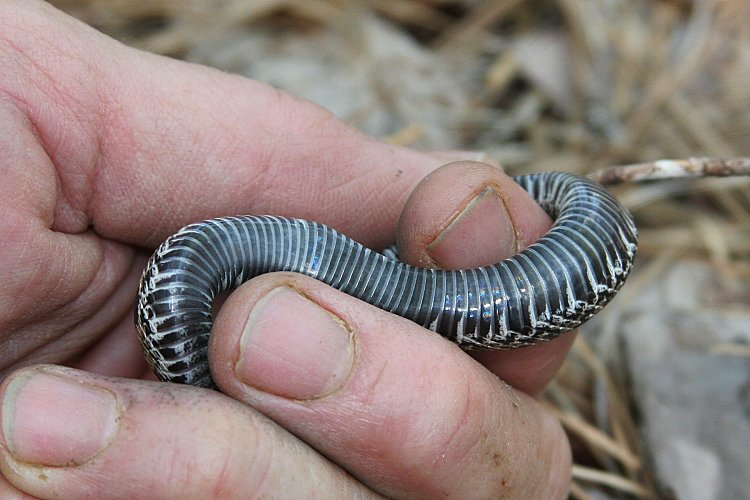
A ventral photo of the previous snake.
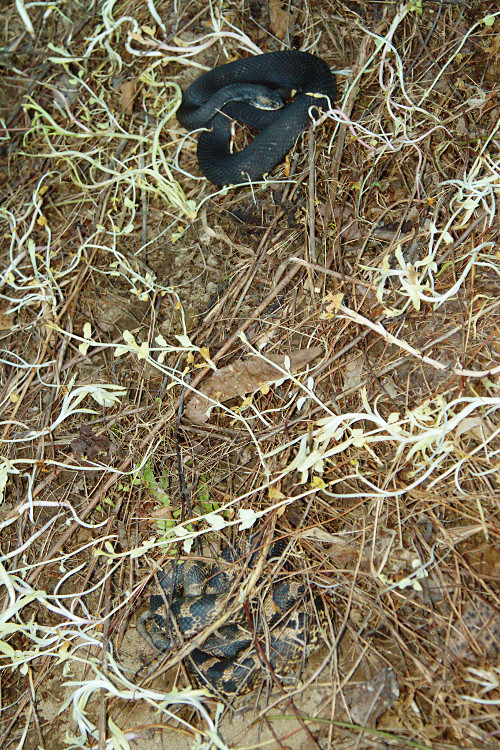
Scioto County. A pair shown as found under a board at dusk.
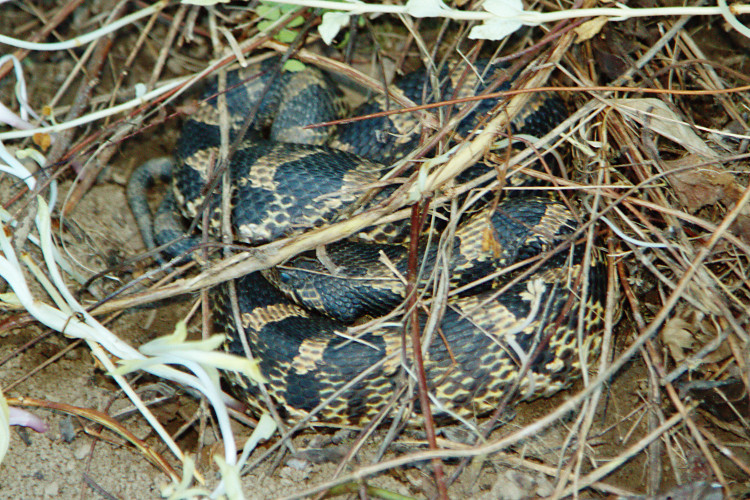
A closer look at one of them. The photo is not great due to the low light.
If I had this to do over again, I would have used full flash -- but
often times, as in this case, you don't get a second chance before the
snakes start moving around.
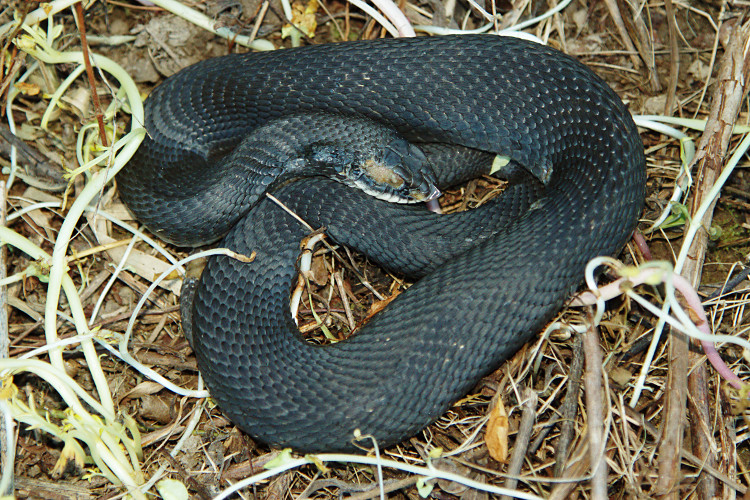
The other snake. It seems to have some sort of problem with its eye.
I thought it was mud at the time.
That's it. I hope you enjoyed. I just wish that this species would turn up
more often.
Return to Carl's photos.